The Skaggs and the Chickamauga Campaign of 1779
 |
| Evan Shelby |
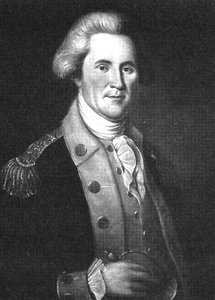 |
| John Sevier |
The Skaggs family—descended from early longhunters like Henry Skaggs, who explored the Clinch River valley and beyond with figures like Daniel Boone—played a central role in this campaign, exemplifying the settler-militia ethos of the southwestern Virginia frontier. Their outpost, Scaggs' (or Skaggs') Fort/Station on the main fork of the Clinch River (below Crab Orchard, in then-Montgomery County, now parts of Tazewell and Russell counties), served as a key enlistment point and defensive hub against Shawnee and Cherokee incursions. Family members such as John, Aaron, and James Skaggs Jr. acted as subaltern or non-commissioned officers in Captain Thomas Mastin's company of the Montgomery County Militia, under Colonel William Preston and later integrated into Shelby's regiment for the expedition. This local unit, composed of border settlers familiar with the terrain, was instrumental in scouting, ranging, and offensive actions.
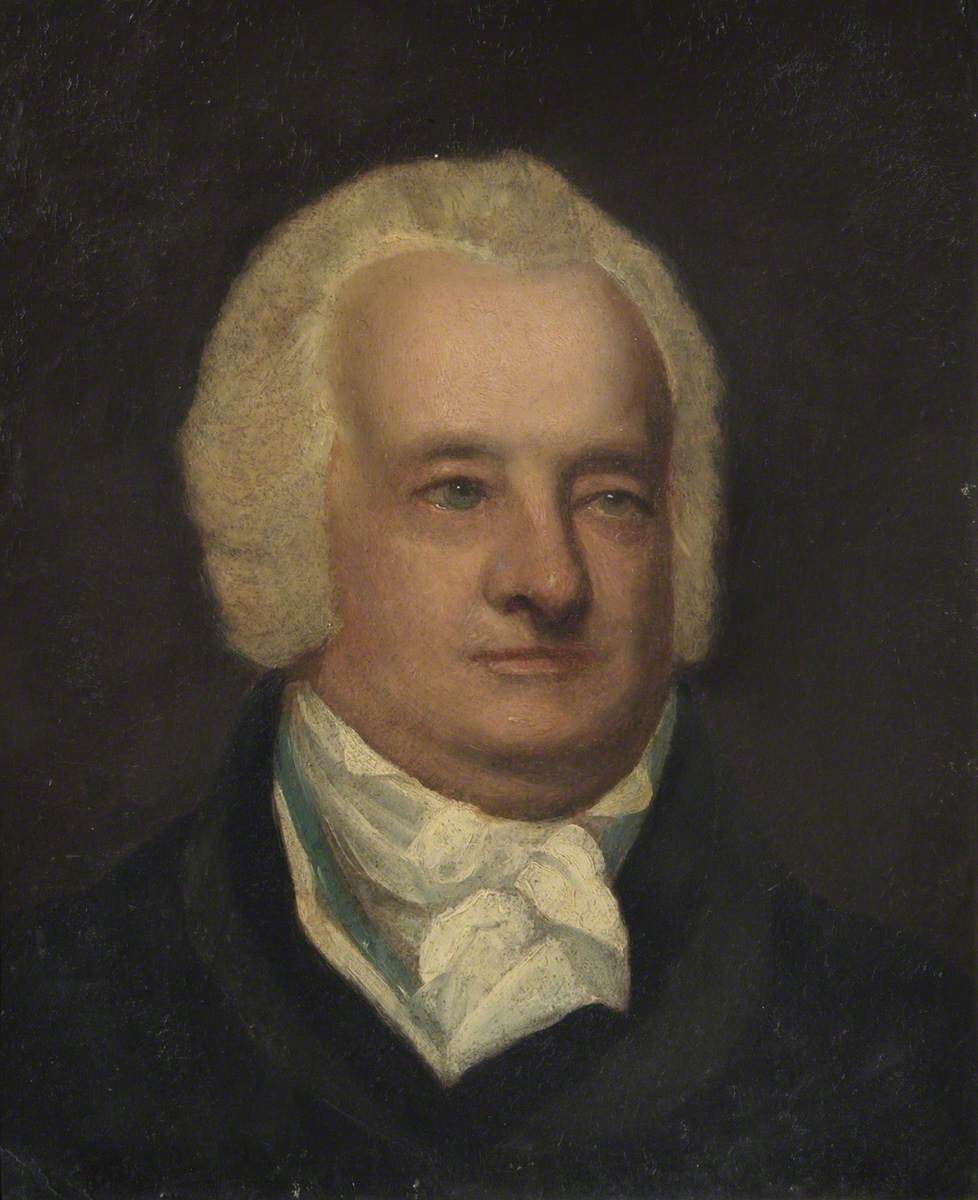 |
| William Preston |
William Skaggs (W2182), a family member born around 1757, provided a direct account of enlisting in spring 1779 near the head of Clinch River under Mastin and Colonel Shelby. He detailed the waterborne assault: "Colonel Shelby together with his Corps made a tower [tour] I water down to the Chickamauga towns on the South side of the Tennessee River which town was entirely settled by the Cherokee Indians: which they invaded, killing many Indians; after they put to flight & destroyed the inhabitants of said town, they returned to the head of Clinch River." Skaggs served three months, underscoring the family's expertise in long-range expeditions, honed from years of longhunting.
Hezekiah Whitt (S7885), volunteering in March 1779 under Mastin, rendezvoused at Colonel Arthur Campbell's in Washington County before marching to the Big Island of Holston and incorporating into Shelby's regiment. Whitt noted the towns' abandonment upon arrival, with regulars under Montgomery proceeding westward to Illinois (joining George Rogers Clark), while militia returned after three months. His messmate Lyles Dolsbury (S17929) confirmed Whitt's service under Mastin, linking back to the Clinch forts like those associated with the Skaggs.
William Depriest (S8319) substituted in 1778–1779 under Captain Jesse Bean, marching "as far as the Chickamauga towns under the command of Colonel Montgomery and returned back from that place with Colonel Shelby," emphasizing the river journey and town destructions. Though not directly under Skaggs officers, Depriest's prior service at Rye Cove forts near Clinch ties into the defensive network where the Skaggs operated.
William Humphreys (S21307), drafted in 1778–1779 under Captain Edmiston and Shelby, recounted the descent to Chickamauga, burning houses and corn amid starvation rations, serving three months. His path overlapped with Mastin's company from the Clinch area.
William Clark (W6680), volunteering in 1778 under Captain Valentine Sevier (John Sevier's brother), rendezvoused at Long Island and canoed to Chickamauga, seizing "40 or 50 horses 40 head cattle some deer skins," staying two weeks and killing a fleeing prisoner. Clark's tour (about six weeks) reflects the quick-strike nature, with routes passing near Skaggs' Fort.
William Cook (S10480), volunteering in September 1779 under Captain Bohannon, joined Colonel Christian's regiment and marched "through the Cherokee Nation first to an Indian town called Chickamauga then to another town Highwasse," destroying towns and crops before guarding the frontier at Long Island until June 1781.
William Meriweather (S47954) served in the western theater but without explicit Chickamauga ties. William Snodgrass (X927) focused on Clinch patrols against Shawnee, pursuing Indians to Cumberland Mountain, serving six to eight weeks under various captains.
These accounts portray the campaign's hardships—exposure, hunger, and rapid river marches—while illustrating the Skaggs' integral role in mobilizing Clinch Valley militia. As longhunters, they provided vital scouting and logistical knowledge, aiding the surprise element that led to unopposed destructions. Post-campaign, the family continued frontier duties, with some migrating to Kentucky amid ongoing conflicts, embodying the era's expansionist struggles.
- Moses Moss Pension Application (S30598): Details enlistment at Scaggs' Fort under Mastin with Skaggs NCOs; Chickamauga march and plunder recovery.
- William Skaggs Pension Application (W2182): Personal enlistment under Mastin/Shelby; river descent, invasion, and destruction of Chickamauga towns.
- Hezekiah Whitt Pension Application (S7885): Volunteer under Mastin; rendezvous, abandoned towns, and detachment of Montgomery's regulars.
- Lyles Dolsbury Pension Application (S17929): Messmate confirmation of Whitt's service under Mastin; Chickamauga enlistment and three-month tour.
- William Depriest Pension Application (S8319): Substitution under Bean; march to Chickamauga under Montgomery/Shelby, town destructions.
- William Humphreys Pension Application (S21307): Draft under Edmiston/Shelby; river hardships, killings, and burnings at Chickamauga.
- William Clark Pension Application (W6680): Volunteer under Valentine Sevier; canoe descent, seizures, and prisoner killing at Chickamauga.
- William Cook Pension Application (S10480): Volunteer under Bohannon/Christian; destruction at Chickamauga and Hiwassee, extended frontier guard.
- William Meriweather Pension Application (S47954): Western service overview, no direct Chickamauga link.
- William Snodgrass Pension Application (X927): Clinch patrols and Indian pursuits, contextual to Skaggs' defensive role but no expedition mention.


Comments
Post a Comment
Comments are moderated at whim.